

In a startling revelation, the White House disclosed that Russia has deployed short-range ballistic missiles, supplied by North Korea, to strike Ukraine. This development, confirmed on December 30 and January 2, signifies a significant escalation in Pyongyang's support for Moscow, with far-reaching consequences for both European and Korean Peninsula security.
John Kirby, the National Security Council spokesperson, highlighted that these North Korean missiles formed part of a barrage of over 500 missiles and drones unleashed on Ukraine during the New Year's festivities. While the December 30 attack involved a single missile landing in an open field, the assault on January 2 comprised multiple missile strikes. The aftermath of the latter attack is still under evaluation.
Kirby underscored Russia's increasing isolation on the global stage, pushing the country to seek military alliances with nations like North Korea. He emphasised how sanctions and export controls have cornered Russia, compelling it to turn to North Korea for military hardware.
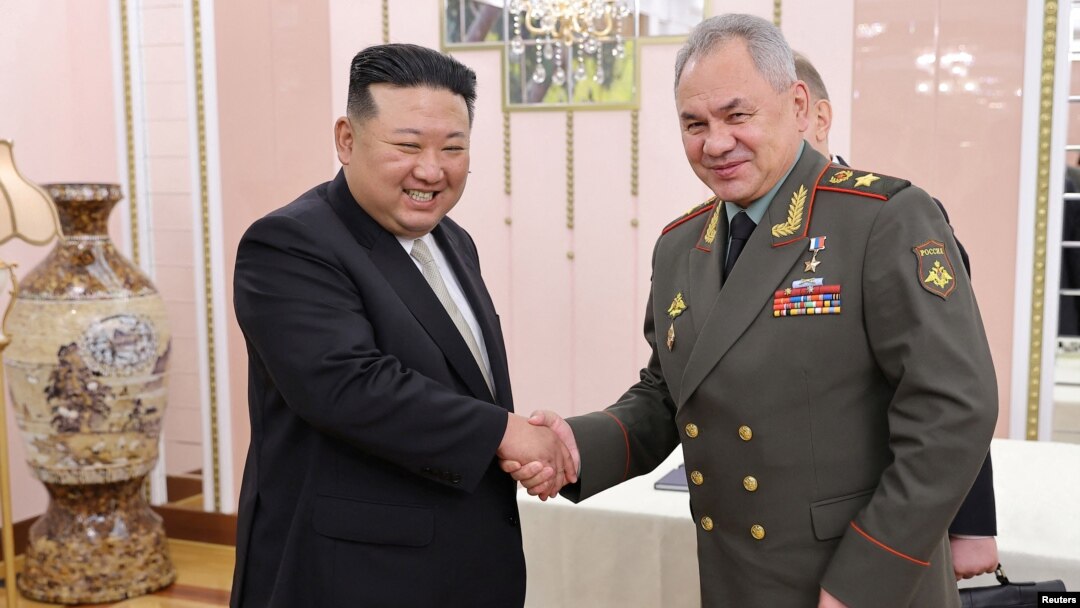
The introduction of North Korean weaponry into Ukraine's conflict landscape has alarmed international analysts. Kirby stressed that the repercussions extend to the Korean Peninsula, approximately 7,500 kilometres away. Analysts, including Joseph Dempsey and Ankit Panda, highlighted North Korea's interest in understanding how its missiles perform against Western defence systems, potentially informing Pyongyang's future military strategies.
Kirby outlined the broader implications, suggesting that Pyongyang might be seeking a range of military assistance from Moscow, including fighter jets, advanced weaponry, and ballistic missile equipment. Such collaborations could shift the balance of power in the Indo-Pacific region, raising concerns among nations like South Korea, the US, and Japan.
Lee Jang Wook, a research fellow, highlighted the economic gains for North Korea, with weapon exports potentially fueling its nuclear ambitions. On the other hand, Russia benefits from augmenting its missile arsenal without depleting its resources. Analysts pointed out that North Korean missile transfers offer Russia a tactical advantage due to the geographical proximity between the two nations.

In conclusion, the White House anticipates a grim future for Ukraine, foreseeing further missile attacks targeting civilian infrastructure and innocent lives. The collaboration between Russia and North Korea introduces a volatile element to the ongoing conflict, demanding international attention and strategic interventions to mitigate escalating tensions.
Source: CNN


0 Comments